Lymph Tonic Herbs: What Each Plant in the Blend Is Traditionally Used For
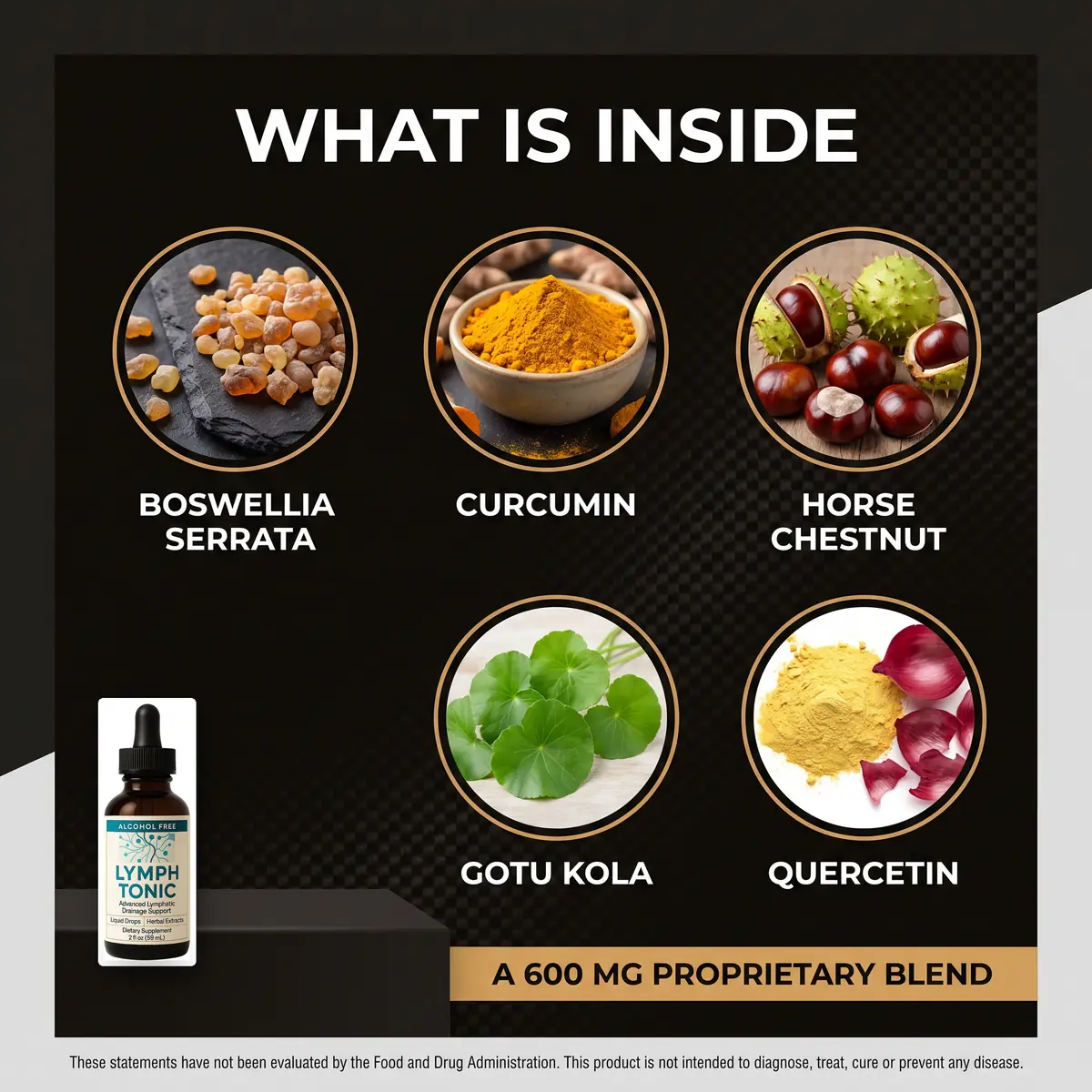
The Lymph Tonic herbs are the plant extracts in its 600 mg blend: boswellia resin, turmeric and ginger roots, horse chestnut seed, gotu kola leaf, citrus peel flavonoids, skullcap root and black pepper. Each is traditionally used for comfort, circulation or antioxidant support. The label gives one blend weight rather than a dose per herb.
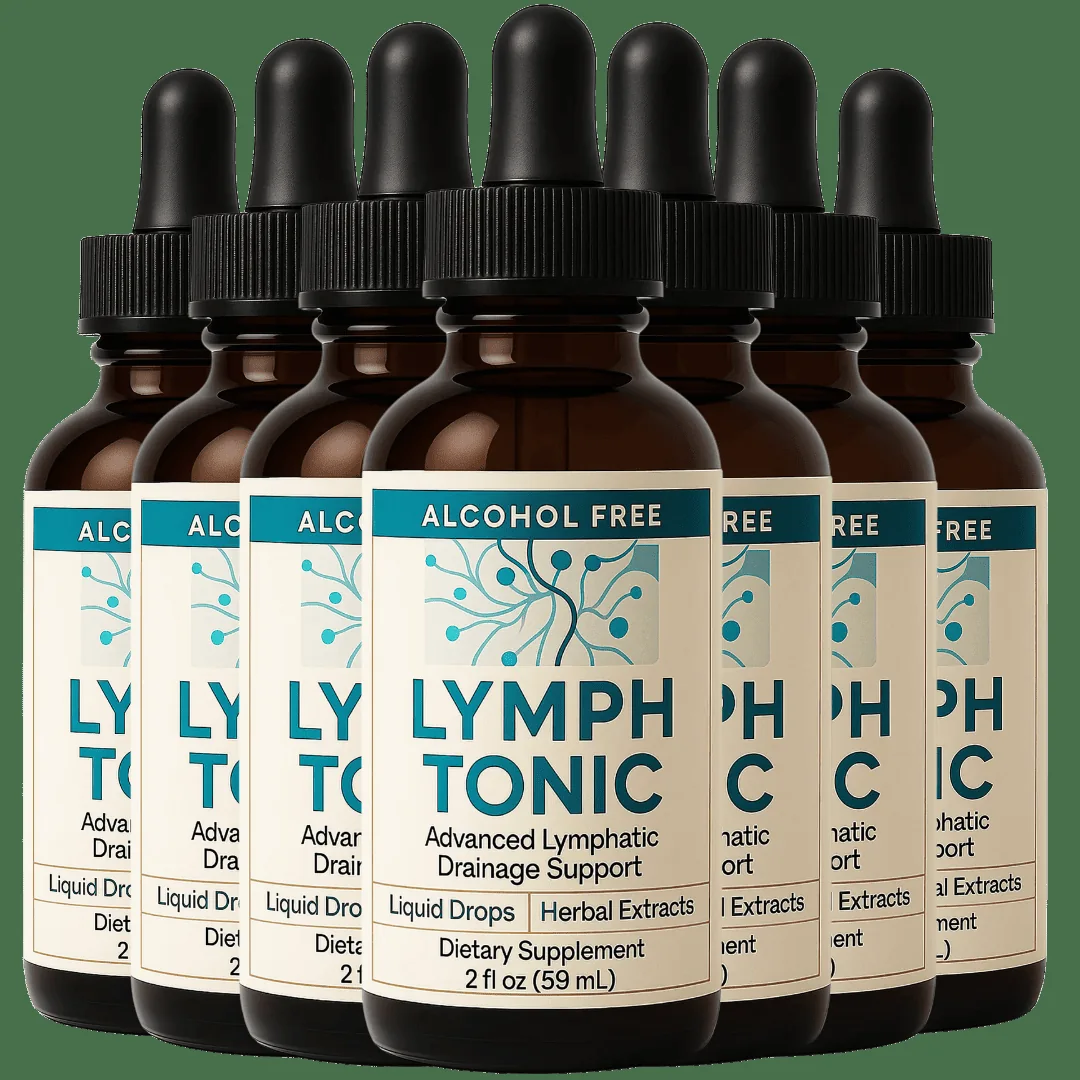
See the full label and the 60-day guarantee on the official order page.
See today's price and guaranteeWhich herbs are in Lymph Tonic?
The Lymph Tonic Supplement Facts panel lists 13 named ingredients in one 600 mg proprietary blend. Most are plant extracts. A few are nutrients or enzymes. The base is purified water, vegetable glycerin and natural flavoring, and there is no alcohol.
Our ingredients list guide sorts the 13 by role. This page does something different. It sorts the herbs by the part of the plant they come from, which is how many herbalists think about them. Every description below is traditional use of the named ingredient, not a promise about the finished drops.
Resin: boswellia
Boswellia serrata extract comes from the resin of the frankincense tree. Resins are the sticky sap a tree makes to seal a wound. Boswellia has a long history in traditional use for a healthy, balanced inflammatory response. It leads the Lymph Tonic blend alongside curcumin.
Roots and rhizomes: curcumin and ginger
Curcumin is the golden compound from turmeric root. It is valued as an antioxidant and for everyday comfort. It is hard to absorb on its own, so the formula adds black pepper extract, whose piperine helps the body take it up.
Ginger extract comes from another warming root. It is traditionally used to support circulation, digestion and comfortable movement. Skullcap root is the source of baicalein, a flavonoid studied for its antioxidant properties.
Seed: horse chestnut
Horse chestnut extract comes from the seed of the horse chestnut tree. It is a classic botanical for leg comfort and healthy venous flow. It is one of the best-known herbs for legs in traditional use. It is also one of the three ingredients to raise with a doctor if you take medicine, because it appears in interaction guides.
Leaf: gotu kola
Gotu kola extract comes from the leaves of Centella asiatica, an Ayurvedic herb. It is traditionally used to support circulation, connective tissue and a general sense of lightness in the body.
Peel and fruit: hesperidin and black pepper
Hesperidin methyl chalcone is a bioflavonoid from citrus peel. It is traditionally used to support vein tone and healthy fluid balance. Black pepper extract comes from the fruit of the pepper plant. It is there for delivery rather than effect, helping the body absorb curcumin and the other botanicals.
Not herbs, but part of the blend
Four ingredients are not herbs in the strict sense. Quercetin phytosome is a plant flavonoid bound to a carrier for better uptake. Nattokinase is an enzyme from fermented soy. Omega-3 fatty acids are essential fats. D-alpha tocopherol is the natural form of vitamin E. Phosphatidylcholine is a phospholipid that supports cell membranes and the delivery of fat-soluble nutrients.
Nattokinase deserves a special note. It comes from soy and has a meaningful interaction list. Anyone with a soy allergy should ask before use.
How to read this list as a shopper
Plant names can sound exotic, so it helps to keep the picture simple. Most of the herbs here have a long record of traditional use in kitchens or home remedies. Turmeric, ginger and black pepper are common spices. Citrus peel and horse chestnut are familiar plants. That does not make the finished product a medicine, and it does not mean more is better. It simply means the names on the label are not mysterious, and you can look up each one before you decide.
Reading the label this way also shows what is missing. There is no per-herb dose, no trial on the full formula and no promise of a result. That honesty is worth having in your head when you compare any herbal drop.
What the label does not show
The 600 mg figure covers all 13 ingredients together. The panel does not say how many milligrams of boswellia or horse chestnut you get. So we cannot give a dose per herb, and we will not estimate one. No published trial exists on the finished formula either. The evidence base is ingredient-level and traditional use.
If you want to see how the drops fit a day, read how the liquid format works. For a walk through what the label supports, see the benefits guide.
Who should ask a doctor first
Lymph Tonic is for adults. Talk to a doctor first if you are pregnant or nursing, under 18, taking blood-thinning, antiplatelet or blood-pressure medication, or living with a diagnosed condition. Nattokinase, horse chestnut and ginger are the ingredients to raise. More detail sits on the safety facts page.
Frequently asked questions
What herbs are in Lymph Tonic?
Boswellia serrata, curcumin, horse chestnut, gotu kola, ginger, hesperidin methyl chalcone, baicalein and black pepper extract are the main plant ingredients. They sit in one 600 mg blend with quercetin phytosome, nattokinase, omega-3, phosphatidylcholine and D-alpha tocopherol.
Does the label show how much of each herb there is?
No. The label gives one 600 mg proprietary blend weight for all 13 ingredients and no per-herb milligram figures.
Is Lymph Tonic alcohol-free?
Yes. The base is vegetable glycerin and purified water rather than alcohol.
Which Lymph Tonic herb is used for circulation support?
Horse chestnut seed and gotu kola leaf are traditionally used to support circulation. They sit in the 600 mg blend alongside the other plant extracts.
See the full label and the 60-day guarantee on the official order page.
See today's price and guarantee† These statements have not been evaluated by the FDA. This article is for general information only and is not medical advice. As an affiliate we may earn a commission on purchases made through links on this page, at no extra cost to you.