Why Do My Feet and Ankles Swell When Flying? How to Prevent It
| Why it happens | Sitting still for hours with your feet down lets fluid pool in your lower legs, and cabin pressure and dry air add to it. |
| On the flight | Walk the aisle regularly, pump your calves and circle your ankles, hydrate with water, skip the salt and alcohol. |
| After you land | Walk, elevate your legs, rehydrate, and support your circulation and lymphatic drainage day to day. |
You settle into your seat feeling fine, and a few hours later your shoes feel tight, your ankles look thicker, and there is a faint sock-elastic groove pressed into your skin. If you have wondered “why do my feet and ankles swell when flying?”, the answer is almost always ordinary travel swelling — fluid settling in the lowest part of your body because you have been sitting still for a long stretch. It is one of the most common complaints among frequent flyers, and for most people it is harmless and temporary. This guide explains exactly why feet and ankles swell on flights, what makes it worse, and a simple routine to reduce travel swelling in the air and after you land.

Why your feet and ankles swell on flights
Your body moves fluid uphill against gravity every day, and it relies heavily on movement to do it. Blood returning from your legs to your heart, and lymph fluid returning through your lymphatic system, both depend on the calf muscle pump — the way your calf muscles squeeze the deep veins and lymphatic vessels each time you take a step or flex your ankle. When you walk, that pump works constantly, pushing fluid back upward. When you sit motionless in a cramped seat for hours, the pump switches off, and gravity quietly wins: fluid drifts down into your feet and ankles and stays there.
Several features of air travel stack the deck:
- Prolonged sitting. This is the biggest factor. Hours in a seat with your feet down and knees bent means almost no calf-pump activity, so fluid pools in the lowest tissues.
- Seat-edge pressure. The front edge of an airline seat can press against the backs of your thighs, gently restricting return flow from the lower legs.
- Cabin pressure and altitude. Cabins are pressurised to roughly the equivalent of 6,000–8,000 feet of altitude. The mild drop in pressure lets tissues expand a little and can add to the feeling of puffiness.
- Dry cabin air. Humidity on a plane is very low, so it is easy to become mildly dehydrated — and when you are short on water, your body tends to hold on to what it has.
- Salty snacks and alcohol. Travel-day sodium and in-flight drinks both nudge the body toward holding fluid.
Put together, these are exactly the conditions that produce puffy feet and ankles. The same mechanism is why a long car journey or a full day at a desk can leave your legs feeling heavy — we cover that everyday version in why do my legs feel heavy and swollen.
Is swelling after flying normal?
For most healthy travellers, mild, symmetrical swelling in both feet and ankles after a long flight is normal and settles within a few hours to a day once you are up, moving and rehydrated. It is your circulatory and lymphatic systems catching up after being idle. The picture that is not ordinary — and that deserves prompt medical attention — is swelling in only one leg, especially if it comes with pain, tenderness, warmth or redness in the calf. That combination can be a sign of a blood clot (deep vein thrombosis), which is a recognised, if uncommon, risk of long-haul immobility. We cover the warning signs in more detail at the end of this article.

What makes travel swelling worse
A few habits reliably turn mild puffiness into tight-shoe swelling by the time you land:
- Staying glued to your seat. The longer you go without moving, the more fluid pools. Skipping every chance to stand up is the single biggest driver.
- Crossing your legs. It feels comfortable but pinches return flow and concentrates pooling in the lower leg.
- Not drinking enough water. Dry cabin air plus too little water is a recipe for fluid retention.
- Alcohol and caffeine in excess. Both can leave you more dehydrated over a long flight, and alcohol also disrupts fluid balance directly.
- A very salty travel day. Airport food and packaged snacks are often loaded with sodium; our guide to the best foods to reduce water retention covers smarter swaps.
- Tight waistbands or socks with hard elastic. Anything that constricts at the waist, knee or ankle can trap fluid below it. Loose clothing and graduated compression are the better choice.
How to reduce swelling during a flight
The goal in the air is simple: keep the calf pump working and keep yourself hydrated. Build these into any flight longer than a couple of hours.
1. Move every hour or two. Get up and walk the aisle whenever the seatbelt sign allows. Even a stroll to the back of the cabin and back restarts the calf pump and gets fluid moving upward again. On a booking, an aisle seat makes this far easier.
2. Do seated leg exercises. When you cannot get up, exercise your lower legs in your seat. Ankle circles: lift each foot and rotate the ankle slowly in both directions. Calf pumps: keep your heels on the floor and lift your toes, then keep your toes down and lift your heels — repeat like you are pressing a pedal. Heel raises: press the balls of your feet down and lift your heels. Do a set of each every half hour. These small movements do most of the work the aisle walk would.
3. Hydrate with water. Sip water steadily through the flight rather than gulping it at the end. Aim to keep pace with the dry air; a good rule of thumb is a glass of water each hour or two aloft. If you want the full picture on how hydration reduces — rather than causes — fluid retention, see how much water to drink to reduce water retention.
4. Go easy on alcohol and salt. Skip the second in-flight drink and choose lower-salt snacks. If you know it is going to be a long day of travel, keep your pre-flight meal on the lighter, less salty side.
5. Wear graduated compression socks. A comfortable graduated pair squeezes most firmly at the ankle and less as it rises, helping push fluid and blood back up the leg. Many travellers find them the single most effective step for long flights. Put them on before you leave home. If you have a circulation or nerve condition, check with a clinician on the right level first.
6. Sit smart. Keep both feet flat, avoid crossing your legs, and wear loose, non-binding clothing. If there is room, gently extend your legs and flex your feet now and then.
After you land: how to de-puff
Once you are off the plane, the fixes are the same levers that got shut off in your seat — now switched back on:
Walk it out. Instead of sitting straight down at the gate or in the taxi, walk for a few minutes. Movement is the fastest way to restart drainage.
Elevate your legs. When you reach your hotel or home, lie down and prop your feet above heart level on a pillow or against the wall for ten to fifteen minutes. Gravity now works for you, draining the pooled fluid.
Rehydrate and eat light. Drink water and choose a lighter, potassium-rich, lower-salt meal — think fruit, vegetables and whole foods rather than another salty airport option.
Do a gentle upward leg massage. Using light pressure, stroke from the ankles up toward the knees and thighs to encourage fluid back toward the body. Always work upward, toward the heart.
Support circulation and drainage from the inside out
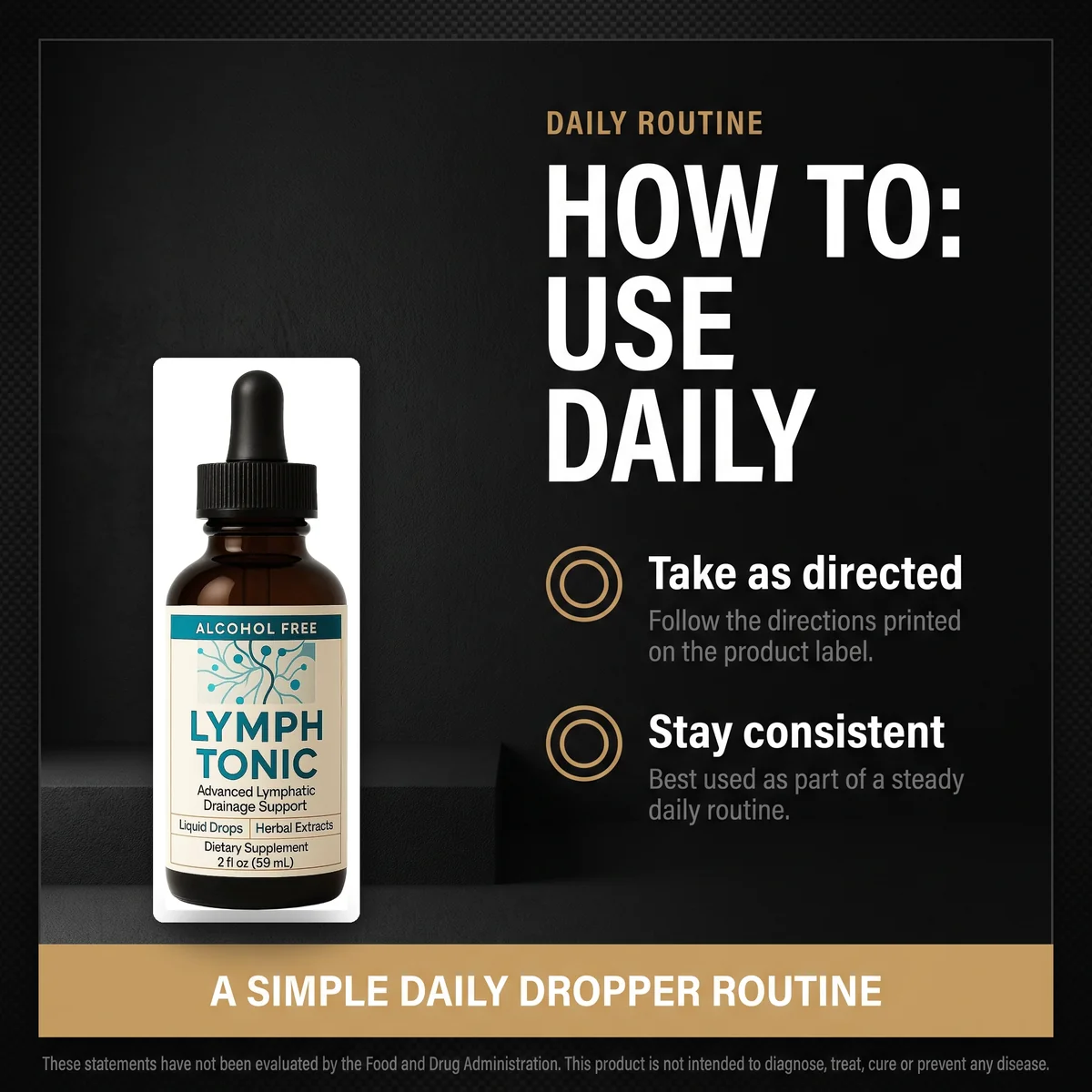
LymphTonic brings together thirteen botanicals traditionally linked to circulation and lymphatic flow — including horse chestnut, gotu kola and ginger — in one alcohol-free daily dropper. A simple companion to the movement, hydration and elevation habits that keep travel swelling in check. Backed by a 60-day money-back guarantee.
See LymphTonic Packages
Everyday habits that lower your baseline
If you fly often, the aim is not just to survive one flight but to keep your circulation and lymphatic drainage resilient day to day, so travel swelling starts from a lower baseline. The same habits that help on the plane help every day: move regularly and break up long stretches of sitting, stay well hydrated, keep evening salt moderate, and give your legs elevation and gentle movement in the evenings. Long sedentary days are their own version of the flying problem — our guide to how sitting all day affects circulation covers the desk-bound version and the movement snacks that undo it.
Because swelling is ultimately a drainage question, the broader routine matters too. Our overview of how to support lymphatic drainage naturally ties movement, hydration, breathing and botanicals into one easy daily rhythm, and the LymphTonic homepage explains where a daily botanical liquid fits into it.
When swollen feet after flying need medical attention
Ordinary travel swelling is symmetrical, mild, and eases within a day. Seek prompt medical care if you notice swelling in one leg only, especially with calf pain, tenderness, warmth or redness, or if swelling comes with chest pain or shortness of breath — these can be signs of a blood clot and require urgent evaluation. Also check in with a clinician if swelling is severe, does not settle after a couple of days, keeps recurring, or occurs alongside a known heart, kidney, liver or thyroid condition, or during pregnancy. This article covers ordinary, everyday travel swelling and is not medical advice.
What flight and travel studies have measured
Flight swelling has been reproduced under controlled conditions, so you are not imagining the shoe test. A simulated long-haul flight study measured leg oedema forming over the course of the journey alongside slowed venous blood flow velocity in the lower limb — the two findings together explain the tight ankles rather than cabin pressure alone (Leg edema formation and venous blood flow velocity during a simulated long-haul flight, Thrombosis Research, 2007).
The countermeasure with the best evidence is compression. A Cochrane review of randomised trials in airline passengers concluded that wearing compression stockings on flights substantially reduces symptomless deep vein thrombosis and also reduces leg oedema (Compression stockings for preventing deep vein thrombosis in airline passengers, Cochrane Database of Systematic Reviews, 2021) — the practical fitting advice is in do compression socks help with swelling and circulation. Keep the risk in proportion, though: a review of travel-related thrombosis describes the absolute risk for a healthy traveller as low, with immobility duration and individual risk factors doing most of the work (Travel-related thrombosis, Best Practice and Research: Clinical Haematology, 2012). The seated-immobility mechanism is identical at 35,000 feet and at a desk, which is why how sitting all day affects circulation is worth reading alongside this, and why the after-landing recovery overlaps with heavy, swollen legs generally.
Frequently asked questions
Is it normal for feet and ankles to swell when flying?
For most people, yes. Sitting still for hours with your feet down lets fluid pool in the lowest part of the body, and the slight drop in cabin pressure can add to it. Mild puffiness in both feet that settles within a day of landing is common and usually harmless. Swelling in only one leg, or with pain, warmth or redness, is different and needs prompt medical attention.
How do I stop my feet from swelling on a long flight?
Move often: walk the aisle every hour or two, and do calf pumps, ankle circles and heel raises in your seat. Stay hydrated with water, go easy on alcohol and salty snacks, avoid crossing your legs, wear loose clothing and consider graduated compression socks. These keep the calf muscle pump working so fluid does not pool.
Do compression socks help with swelling when flying?
Graduated compression socks gently squeeze the ankle and lower leg to help push fluid and blood back upward, which can reduce the pooling that causes travel swelling. Many travellers find them helpful on long flights. Choose a comfortable graduated pair, put them on before you leave, and check with a clinician first if you have a circulation or nerve condition.
How long does swelling last after a flight?
Ordinary travel swelling usually eases within a few hours to a day once you are up, moving and rehydrated. Walking, elevating your legs and drinking water speed it along. Swelling that lasts several days, worsens, or affects only one leg with pain or warmth should be checked by a clinician.
Does drinking water really help, or should I drink less to avoid swelling?
Drink water. It is a common myth that cutting fluids reduces swelling — the opposite is usually true. When you are dehydrated, your body holds on to fluid. Staying hydrated in the dry cabin air helps your body release, rather than hoard, fluid, and supports healthy circulation throughout the flight.
- Centers for Disease Control and Prevention — Blood clots and travel: what you should know.
- Cleveland Clinic — Edema (swelling): overview.
- Cleveland Clinic — Lymphatic system: function and drainage.
- Thrombosis Research — Leg edema formation and venous blood flow velocity during a simulated long-haul flight (2007, PMID 17250877).
- Cochrane Database of Systematic Reviews — Compression stockings for preventing deep vein thrombosis in airline passengers (2021, PMID 33878207).
- Best Practice and Research: Clinical Haematology — Travel-related thrombosis (2012, PMID 22959550).
† These statements have not been evaluated by the FDA. This product is not intended to diagnose, treat, cure or prevent any disease. This article is for general information only and is not medical advice.