Can Stress Cause Water Retention and Bloating? What to Know
| Short answer | Yes - stress can cause water retention and bloating through cortisol, poor sleep, salty comfort eating and less movement. |
| Why it happens | Stress hormones nudge the kidneys to hold sodium and water, and anxiety slows digestion, adding gas and puffiness. |
| What helps | Slow breathing, movement, steady hydration, moderate salt, good sleep, and calming daily rituals. |
You have not changed your diet, but a stressful week leaves you feeling puffy, bloated and heavier than usual. So can stress cause water retention and bloating? The short answer is yes. Stress is not only a feeling in your head - it triggers a cascade of hormones and behaviours that directly affect how your body handles fluid and digestion. This guide explains how stress leads to water retention and bloating, why poor sleep and comfort eating make it worse, and the calming daily habits that help you feel lighter again.
How stress causes water retention
When your brain senses pressure - a deadline, an argument, a run of bad sleep - it activates the stress response and releases cortisol along with other stress hormones. Cortisol is useful in short bursts, but one of its jobs affects the kidneys and the hormones that govern sodium and water balance. Under sustained stress, the body tends to hold on to more sodium, and where sodium goes, water follows. The result is the familiar puffiness in the face, fingers and ankles that seems to appear out of nowhere during a hard stretch.
Stress hormones also influence a system called the renin-angiotensin-aldosterone system, the body’s main dial for fluid and blood pressure. When it is nudged toward retention, you hold water. This is normal physiology reacting to a perceived demand - and, importantly, it is usually temporary. As the stress eases and sleep and movement return to normal, fluid balance tends to reset over a day or two.
Why stress also makes you bloated
Water retention is only half the story. The other half is your gut. The moment stress switches on the fight-or-flight response, your body diverts resources away from digestion, because digesting lunch is not a priority when the brain thinks you are in danger. Digestion slows, the gut can become more sensitive, and the result is gas, bloating and abdominal discomfort. This is why so many people feel bloated precisely when they are anxious.
Add two behavioural quirks and the bloating deepens. First, when we are anxious we often breathe fast and shallow and swallow more air, which literally adds gas to the system. Second, stress and the gut talk to each other constantly through the gut-brain axis, so a stressed mind and an uncomfortable gut reinforce one another. Slowing your breathing is one of the fastest ways to interrupt the loop.
The knock-on effects: sleep, salt and stillness
Stress rarely causes puffiness on its own; it works through the habits it disrupts.
- Poor sleep. Stress wrecks sleep, and sleep is when much of the body’s fluid regulation happens. Short, broken nights leave you puffier the next day - a link we cover in how sleep helps your body detox.
- Salty comfort eating. Under pressure we reach for crisps, takeaways and sweet-salty snacks, loading the body with sodium exactly when it is already inclined to retain water. Our guide to the best foods to reduce water retention covers the swaps that counter this.
- Less movement. A stressful, head-down day is often a still one, and without the muscle pump of walking, fluid settles in the legs and feet.
- More caffeine and alcohol. Both are common stress crutches, and both disturb fluid balance and sleep, adding to the puffy feeling.
Because these overlap so much with the general pattern of sluggish drainage, it can be worth checking the broader signs of a sluggish lymphatic system too - stress often tips an already-borderline routine into visible puffiness.
How to ease stress-related water retention and bloating
Because stress drives the fluid, calming the nervous system is the most direct lever - and it works surprisingly fast.
1. Breathe slowly and deeply. A few minutes of slow belly breathing - in through the nose for four counts, out for six - switches the body toward its rest-and-digest state, calms the gut and gently assists lymph flow through the chest. Do it whenever you notice the tension rising.
2. Move your body. A walk is a two-for-one: it burns off stress hormones and restarts the muscle pump that moves fluid out of the legs. Even ten minutes helps.
3. Hydrate steadily. It sounds backwards, but staying well hydrated helps the body release held fluid rather than hoard it. Sip through the day instead of relying on caffeine.
4. Keep salt moderate, especially in comfort food. You do not have to be perfect - just be aware that the stress-snack reflex piles on sodium when your body is least able to shed it.
5. Protect your sleep. Wind down without screens, keep a consistent bedtime, and give the body the overnight window it needs to rebalance fluid.
6. Build a small calming ritual. A consistent evening routine - a warm shower, a few stretches, your daily supportive drops - signals safety to the nervous system and makes the healthy habits automatic.
A calm daily ritual for busy weeks
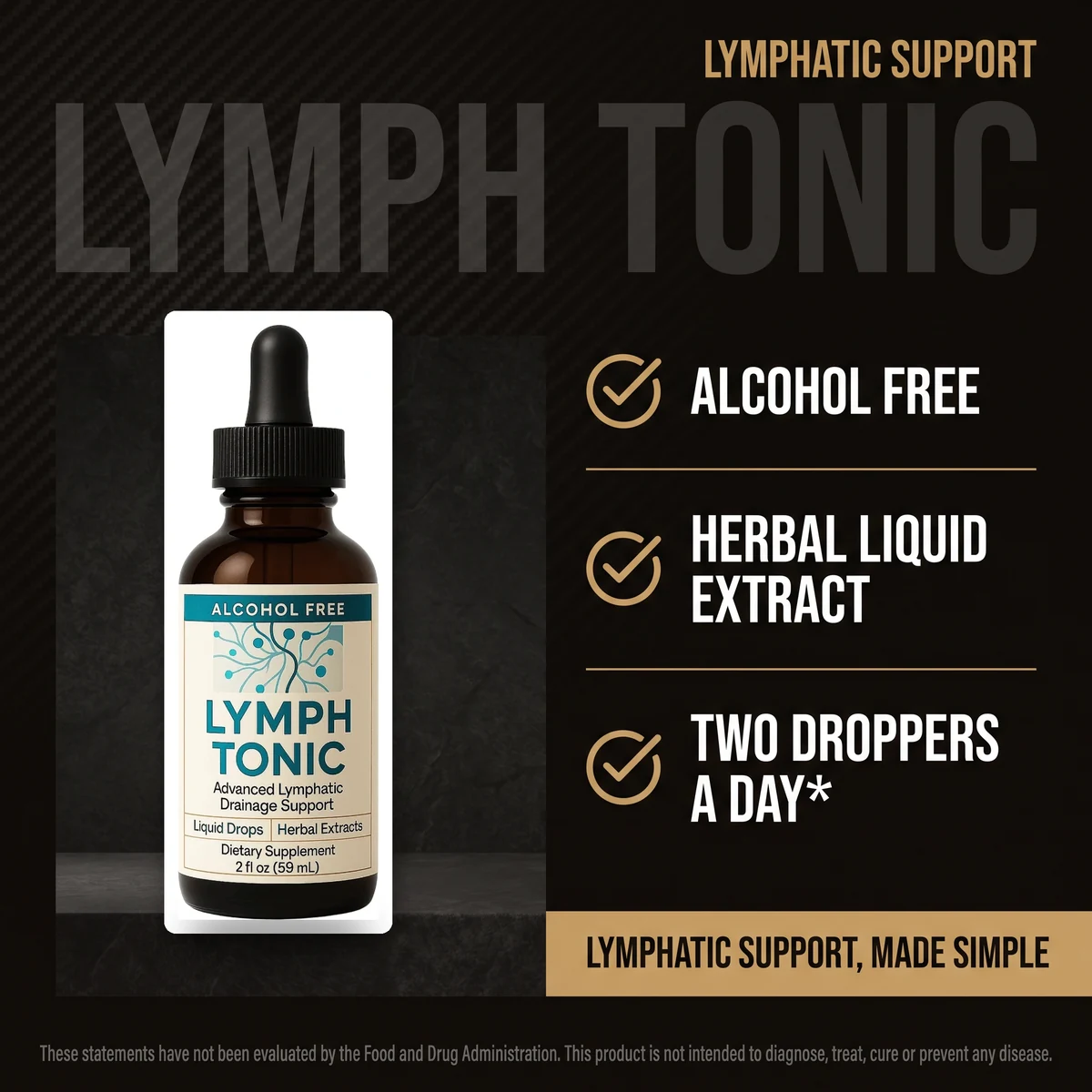
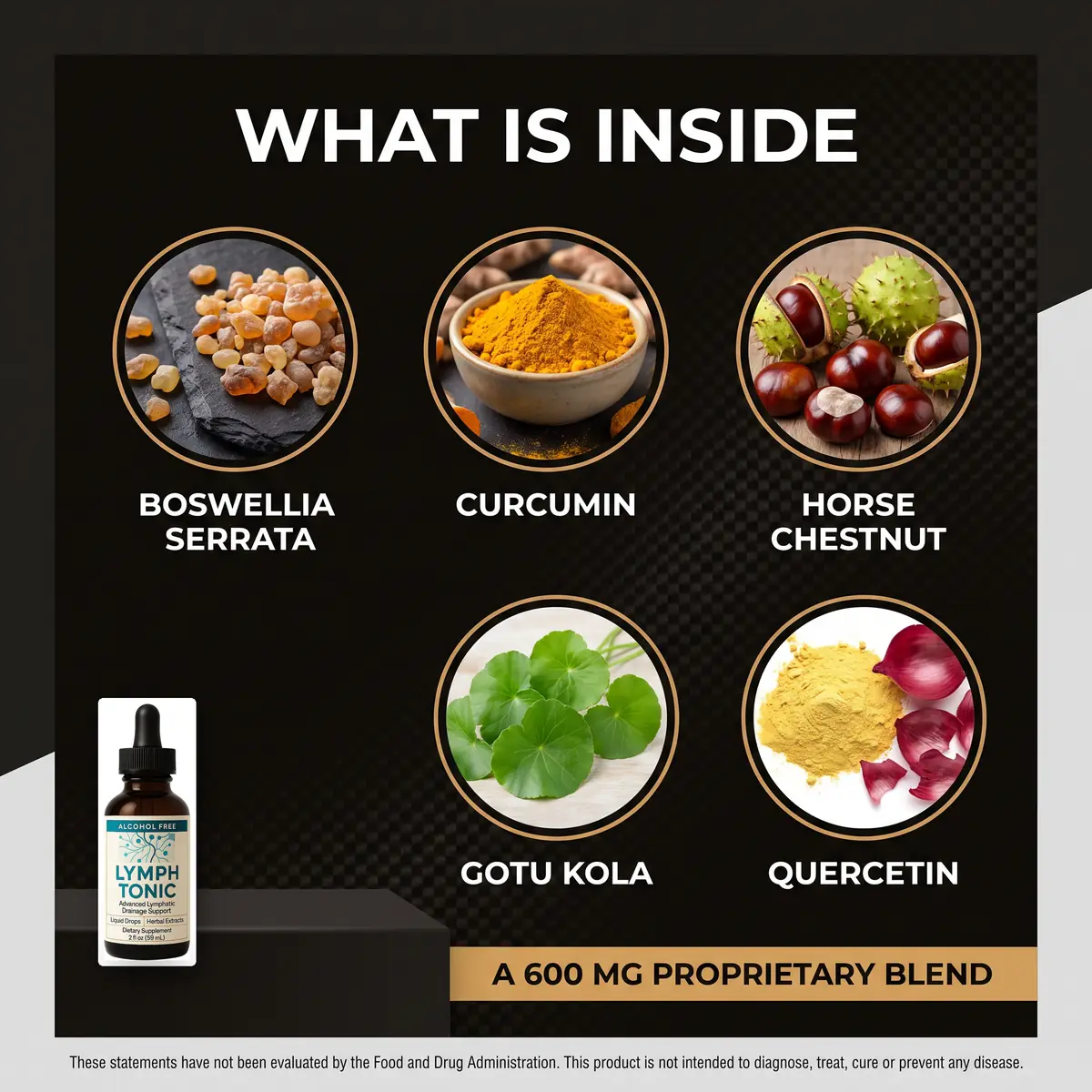
LymphTonic brings together thirteen botanicals traditionally linked to circulation and fluid balance - including quercetin, gotu kola, horse chestnut and ginger - in one alcohol-free daily dropper. An easy anchor for a calming routine when life gets hectic. Backed by a 60-day money-back guarantee.
See LymphTonic Packages
Where a daily botanical fits in
No supplement erases stress or its effects - the real work is done by breathing, movement, sleep and hydration. What a daily botanical can offer during pressured periods is consistency and ritual: a fixed, thirty-second cue that keeps you anchored to a routine when everything else feels chaotic. LymphTonic is an alcohol-free liquid built around plants long associated in traditional and general use with healthy circulation and fluid balance, including quercetin, hesperidin, gotu kola and horse chestnut. Take it as part of the calming sequence above, and let it be the easy, repeatable piece. You can read more about the formula and how to use it on the LymphTonic homepage.
When bloating or swelling needs a closer look
Stress-related puffiness and bloating that come and go with your week are common and usually harmless. But see a clinician if bloating is severe, persistent or painful, comes with unexplained weight change, blood, fever or a marked change in bowel habits, or if swelling is sudden, one-sided, or does not settle. Ongoing anxiety that affects your daily life also deserves support from a professional. This article covers everyday, stress-related patterns and is educational information, not medical advice.
What the research says about stress hormones and fluid
The honest version of the stress-and-fluid story is narrower than most wellness copy admits, and it is more interesting for it. Cortisol does drive sodium retention in humans — that much is measured — but a controlled endocrine study showed the retention at high cortisol doses is not simply the mineralocorticoid receptor being switched on, which means the mechanism is more layered than "cortisol equals water weight" (Evidence that high dose cortisol-induced Na+ retention in man is not mediated by the mineralocorticoid receptor, The Journal of Clinical Endocrinology and Metabolism, 1991). What is well established is that glucocorticoids can activate mineralocorticoid signalling in the kidney under the right conditions, and that this pathway sits behind sodium handling and blood-pressure regulation (Glucocorticoid-mediated mineralocorticoid receptor activation and hypertension, Current Opinion in Nephrology and Hypertension, 2004).
The bloating half is better explained by the gut than by hormones. The American Gastroenterological Association's clinical practice update on bloating and distention describes a picture built from gas handling, gut-brain signalling and abdominal wall behaviour rather than trapped "toxins" (AGA Clinical Practice Update on Evaluation and Management of Belching, Abdominal Bloating, and Distention, Gastroenterology, 2023) — and stress is a well-recognised amplifier of exactly that signalling. This is also why the knock-on habits matter more than the hormone itself: the short nights covered in how sleep helps your body detox, the extra glass described in does alcohol cause water retention, and the salty convenience food that follows both. If the result shows up on your face by morning, morning facial puffiness covers the overnight side of it.
Frequently asked questions
Can stress cause water retention?
Yes. When you are stressed, your body releases cortisol and related hormones that influence how the kidneys handle sodium and water, which can lead to holding more fluid. Stress also disrupts sleep, drives salty comfort eating and reduces movement - all of which add to puffiness. It is usually a temporary, come-and-go effect that eases as stress settles.
Why does anxiety make me feel bloated?
Stress and anxiety activate the fight-or-flight response, which diverts blood away from digestion and can slow the gut, leading to gas, bloating and discomfort. Rapid, shallow breathing and swallowing air when anxious add to the bloated feeling. Calming the nervous system with slow breathing often eases it.
How do I get rid of stress-related bloating and puffiness?
Lower the stress load where you can, use slow diaphragmatic breathing, move your body, hydrate steadily, keep salt moderate, prioritise sleep, and limit alcohol and caffeine spikes. These calm the nervous system and support fluid balance. Botanicals traditionally linked to circulation and fluid balance, like those in LymphTonic, can round out the routine.
How long does stress water retention last?
For most people it is short-lived, easing within a day or two once the stressful period passes and sleep, movement and hydration return to normal. Ongoing high stress can keep the pattern going, which is why managing the stress itself matters as much as the fluid.
Does breathing really help bloating?
Slow diaphragmatic breathing shifts the body out of fight-or-flight and into the rest-and-digest state, which calms the gut and can reduce the amount of air you swallow. It is one of the quickest, simplest ways to ease stress bloating in the moment.
- American Psychological Association — Stress effects on the body.
- Cleveland Clinic — Cortisol: the stress hormone.
- Cleveland Clinic — Edema (fluid swelling): overview.
- The Journal of Clinical Endocrinology and Metabolism — Evidence that high dose cortisol-induced Na+ retention in man is not mediated by the mineralocorticoid receptor (1991, PMID 1850752).
- Current Opinion in Nephrology and Hypertension — Glucocorticoid-mediated mineralocorticoid receptor activation and hypertension (2004, PMID 15199296).
- Gastroenterology — AGA Clinical Practice Update on Evaluation and Management of Belching, Abdominal Bloating, and Distention: Expert Review (2023, PMID 37452811).
† These statements have not been evaluated by the FDA. This product is not intended to diagnose, treat, cure or prevent any disease. This article is for general information only and is not medical advice.