Does Alcohol Cause Water Retention and Bloating? What to Know
| Does it? | Yes, indirectly. Alcohol is a diuretic, so your body rebounds by holding water afterward — and drinking usually comes with salt, poor sleep and gut irritation. |
| Why you bloat | Rebound fluid retention, salty late food, carbonation and inflammation of the gut lining all combine. |
| Feel lighter | Rehydrate, eat potassium-rich whole foods, move, sleep, and give yourself alcohol-free days. |
You have a few drinks with friends, and the next morning your face looks fuller, your rings feel tight, and your stomach is bloated. If you have asked “does alcohol cause water retention and bloating?”, the short answer is yes — not because alcohol makes you hold water directly, but because of a chain reaction it sets off. This guide explains exactly how alcohol leads to water retention and bloating, why some drinks are worse than others, and the simple habits that help you feel lighter and less puffy the day after.
How alcohol causes water retention
The surprising part is that alcohol starts by making you lose fluid, not hold it. Alcohol suppresses a hormone called vasopressin (also known as antidiuretic hormone, or ADH), whose job is to tell your kidneys to conserve water. With that signal turned down, your kidneys release more water than usual — which is why you make so many trips to the bathroom during a night of drinking. That is the diuretic effect.
The catch is what happens next. Once the alcohol wears off and you become mildly dehydrated, your body swings the other way to protect itself, ramping vasopressin back up and holding on to water to restore balance. This rebound fluid retention is a big reason you can wake up puffier the morning after, even though you were losing fluid the night before. Your body is essentially over-correcting after being pushed toward dehydration.
Dehydration itself compounds the effect. When you are short on water, your body clings to what it has — the exact opposite of feeling light and de-puffed. It is the same principle that makes staying hydrated a tool against retention, which we cover in how much water to drink to reduce water retention.
Why alcohol makes you bloated too
Water retention explains the puffiness, but bloating — that tight, swollen-belly feeling — has its own set of causes that pile on when you drink:
- Gut irritation and inflammation. Alcohol can irritate the lining of the stomach and intestines, which may lead to gas, discomfort and a distended belly.
- Carbonation. Beer, sparkling wine and fizzy mixers add carbon dioxide gas straight into your digestive tract, inflating you further.
- Sugars and carbohydrates. Beer, cocktails and sweet mixers are fermentable carbohydrates that gut bacteria turn into gas.
- Slower digestion. A heavy, boozy night can slow the gut and leave food and gas sitting longer than usual.
- The food that comes with it. Drinking loosens resolve, and salty, greasy late-night food is a classic partner — a double hit of sodium and hard-to-digest fat.
So the morning-after feeling is really two things at once: fluid your body is holding across the whole system (the puffy face and tight rings) and gas plus slowed digestion in the gut (the bloated belly).
The salt-and-sleep double whammy
Two more factors turn a couple of drinks into a genuinely puffy morning. The first is salt. Sodium makes your body hold water, and the snacks and meals that go with drinking — chips, pizza, fries, salted nuts — are among the saltiest foods around. Pair rebound fluid retention with a big sodium load and you have a recipe for a swollen face and fingers. Our guide to the best foods to reduce water retention covers the potassium-rich swaps that help counter it.
The second is sleep. Alcohol may help you fall asleep, but it fragments the second half of the night and reduces restorative deep sleep. Poor sleep interferes with the body’s overnight fluid regulation and repair — a topic we go deep on in how sleep helps your body detox. So even a moderate night of drinking can leave you puffy simply because you slept badly.
Which drinks are worse for bloating?
No alcohol is free of the rebound-retention effect, but the format matters for bloating. Carbonated and sugary drinks tend to be the worst offenders because they add gas and fermentable carbohydrates on top of the alcohol: beer, sparkling wine, and cocktails made with fizzy or sweet mixers. Straight spirits with water or a splash of soda add less sugar, though the alcohol’s effect on fluid balance is still there. Higher-alcohol drinks and larger quantities push the diuretic-then-rebound cycle harder. In practice, quantity is the biggest lever of all — fewer drinks means less rebound, less salt, and better sleep.
How to reduce bloating and puffiness after drinking
You cannot undo a night out instantly, but you can help your body rebalance faster. The morning after — and ideally the night of — lean on these:
1. Rehydrate steadily. Drink water alongside your drinks and again before bed, then keep sipping through the next day. This shortens the dehydration dip that triggers the rebound. Do not gulp a huge amount all at once; steady rehydration works better.
2. Reach for potassium and whole foods. Potassium helps balance sodium, so water-rich, potassium-rich foods — bananas, leafy greens, cucumber, melon, potatoes — are your friends. Keep the day-after meal lighter and lower in salt rather than reaching for another salty, greasy plate.
3. Move your body. A walk or gentle exercise restarts your circulation and the calf muscle pump that helps drain pooled fluid. Movement is one of the fastest ways to help your lymphatic system clear excess fluid.
4. Protect the next night’s sleep. Since alcohol wrecks sleep quality, give the following night your best shot — dark room, no late caffeine, consistent bedtime — so your body can catch up on its overnight fluid regulation.
5. Space out and cap your drinks. Alternating each alcoholic drink with a glass of water, and setting a limit before you start, does more to prevent next-day puffiness than any morning fix.
6. Give yourself alcohol-free days. Regular drink-free days let your body fully rebalance fluid, calm gut irritation and restore normal sleep, which lowers your baseline puffiness over time.
An alcohol-free ritual for everyday balance
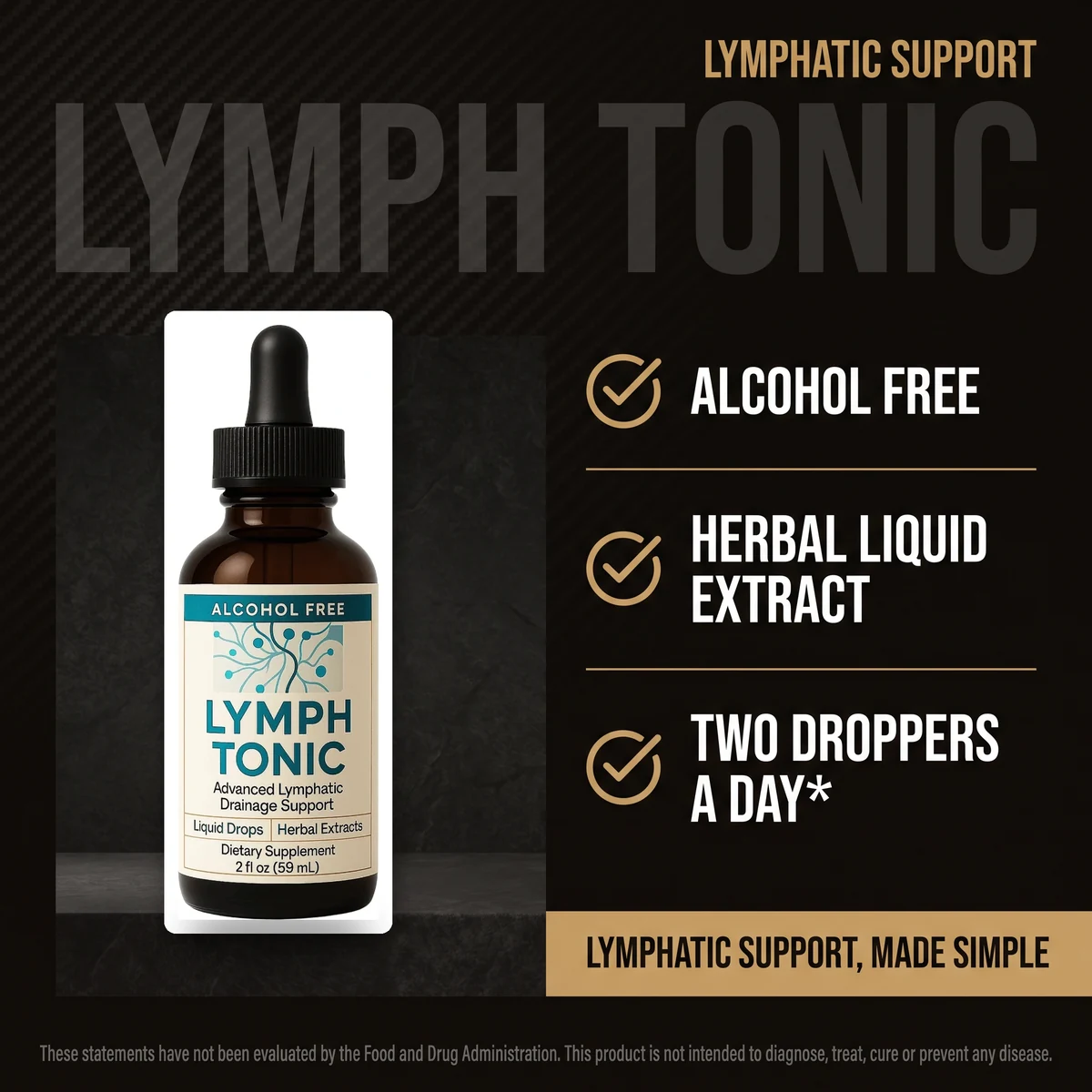
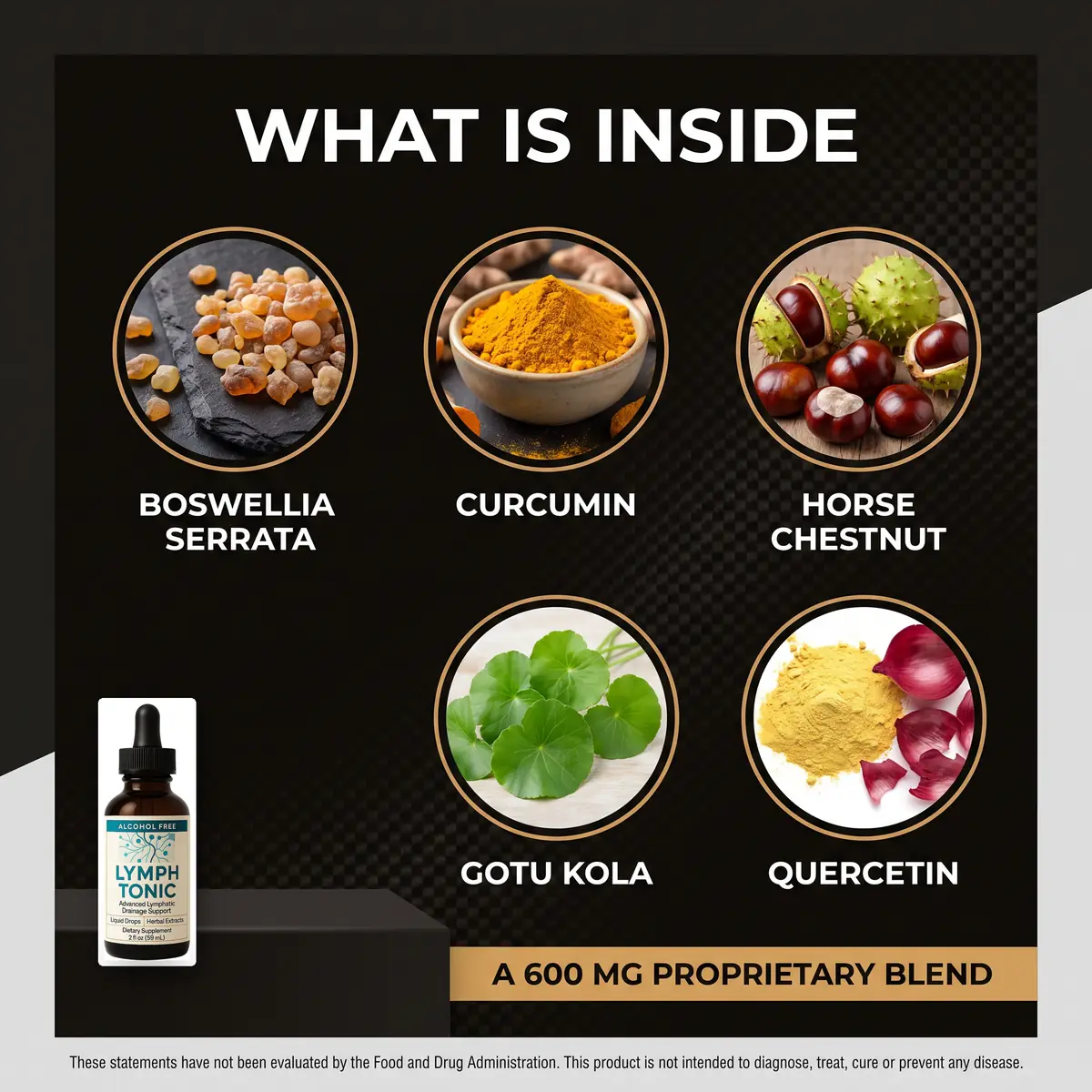
LymphTonic is a deliberately alcohol-free daily dropper that brings together thirteen botanicals traditionally linked to circulation, fluid balance and lymphatic flow — including quercetin, ginger and gotu kola. A calm companion to the hydration, movement and lighter-eating habits that keep you feeling less puffy. Backed by a 60-day money-back guarantee.
See LymphTonic Packages
Stress, alcohol and the bigger picture
Alcohol rarely acts alone. Many people drink to unwind, and stress itself can drive fluid retention and bloating through the hormone cortisol — so the wind-down drink and the stressful week can be pulling in the same direction. If that sounds familiar, our guide to whether stress can cause water retention and bloating is worth a read. And because puffiness is ultimately about how well your body drains and circulates fluid, the broader daily routine matters: our overview of how to support lymphatic drainage naturally pulls movement, hydration and botanicals into one simple rhythm, and the LymphTonic homepage shows where a daily botanical liquid fits in.
When puffiness after drinking needs a closer look
Occasional next-day puffiness and bloating that clears within a day or two is a normal response to alcohol. But talk to a clinician if bloating or swelling is severe or persistent, if you notice swelling in the legs or abdomen that does not settle, if you have ongoing digestive symptoms, or if you are concerned about your drinking or its effect on your health. Persistent fluid retention can occasionally relate to heart, liver, kidney or other conditions and deserves proper evaluation. This article covers ordinary, everyday puffiness and bloating and is not medical advice.
Why the science points at vasopressin
The puffiness that follows a night out is a rebound, and the hormone at the centre of it has a name. Alcohol suppresses vasopressin, the antidiuretic hormone that tells your kidneys to hold water; human studies of acute alcohol intoxication tracked plasma vasopressin alongside the resulting shifts in water balance and found the two moving together (Role of plasma vasopressin in changes of water balance accompanying acute alcohol intoxication, Alcoholism: Clinical and Experimental Research, 1995). A separate human study measured both vasopressin and atrial natriuretic peptide after ethanol intake, showing that more than one fluid-regulating signal is disturbed at once (Plasma immunoreactive atrial natriuretic peptide and vasopressin after ethanol intake in man, Acta Physiologica Scandinavica, 1992).
You lose fluid quickly that evening, and then your body over-corrects the next day — which is the puffy-face, tight-ring morning most people recognise. The bloating that comes with it belongs to a different system again: clinical guidance on chronic distension and bloating attributes it to gas handling, gut motility and abdominal wall responses rather than to any single drink ingredient (Management of Chronic Abdominal Distension and Bloating, Clinical Gastroenterology and Hepatology, 2021). Alcohol also fragments the deep sleep stages, which is where the overnight cleanup covered here gets cut short, and it is one of the reliable triggers behind a puffy face in the morning. The recovery lever is unglamorous and effective: steady rehydration, as covered in how much water to drink to reduce water retention.
Frequently asked questions
Does alcohol cause water retention?
Yes, indirectly. Alcohol first acts as a diuretic that makes you lose fluid, and your body responds by holding on to water afterward to rebalance. Combined with the salty foods that often accompany drinking, poor sleep and inflammation, this rebound is why you can wake up puffy and bloated the morning after.
Why do I feel bloated the day after drinking?
Several things stack up: rebound fluid retention after alcohol’s diuretic effect, salty late-night food, disrupted sleep, and irritation of the gut lining that can cause gas and a swollen belly. Beer and fizzy mixers add carbonation and carbohydrates that can bloat you further.
How long does alcohol bloat and water retention last?
For an occasional night of drinking, the puffiness and bloating usually settle within one to two days once you rehydrate, move and eat lighter, lower-salt food. Regular heavy drinking can keep you in a more persistent state of retention and inflammation, so cutting back is the most reliable fix.
How do I reduce bloating and puffiness after drinking?
Rehydrate steadily with water, eat potassium-rich whole foods and go easy on salt, move your body to restart circulation and drainage, and prioritise sleep to help your body rebalance fluid. Giving yourself alcohol-free days lowers your baseline puffiness over time.
Does drinking water before bed after alcohol help?
It helps. A glass or two of water before bed shortens the dehydration dip that triggers rebound fluid retention, and it can ease the next-day headache too. Keep it moderate rather than forcing a large volume, and continue steady hydration through the following day.
- National Institute on Alcohol Abuse and Alcoholism — Alcohol’s effects on the body.
- Cleveland Clinic — Edema (swelling): overview.
- Cleveland Clinic — Bloated stomach: causes and relief.
- Alcoholism: Clinical and Experimental Research — Role of plasma vasopressin in changes of water balance accompanying acute alcohol intoxication (1995, PMID 7573805).
- Acta Physiologica Scandinavica — Plasma immunoreactive atrial natriuretic peptide and vasopressin after ethanol intake in man (1992, PMID 1533484).
- Clinical Gastroenterology and Hepatology — Management of Chronic Abdominal Distension and Bloating (2021, PMID 32246999).
† These statements have not been evaluated by the FDA. This product is not intended to diagnose, treat, cure or prevent any disease. This article is for general information only and is not medical advice.