Why Do I Feel Puffy and Bloated Before My Period? Causes
| Why it happens | Pre-period shifts in oestrogen and progesterone make the body hold sodium and water, so you feel puffy and bloated. |
| Where you feel it | Face, breasts, belly, hands and feet - plus digestive bloating as hormones slow the gut. |
| What helps | Moderate salt, potassium- and water-rich foods, steady hydration, movement, good sleep and less alcohol. |
Every month, like clockwork, your rings feel tight, your waistband digs in and your face looks fuller - and then your period arrives and it fades. If you have asked why do I feel puffy before my period?, the answer is your hormones. In the days leading up to menstruation, the natural rise and fall of oestrogen and progesterone changes how your body handles fluid and digestion, producing the familiar premenstrual puffiness and bloating. This guide explains exactly why it happens, where you feel it, and the everyday foods, habits and routines that help you feel lighter through that week.
The hormonal reason you feel puffy before your period
Your menstrual cycle is driven by two key hormones that rise and fall in a set rhythm: oestrogen and progesterone. In the second half of the cycle - the luteal phase, roughly the week or two before your period - these hormones shift in ways that directly affect fluid balance. Oestrogen influences how the body handles sodium, and both hormones interact with the systems that tell your kidneys whether to hold on to or release water. The net effect for many people is that the body retains more sodium and, with it, more water. That extra fluid is the puffiness you see and feel.
Because this is your normal cyclical physiology rather than anything going wrong, it follows a predictable pattern: it builds in the premenstrual days, peaks around the start of your period, and then eases within the first day or two of bleeding as hormone levels reset. Weight on the scale can nudge up a pound or two purely from this fluid, then drop again - it is water, not fat.
Where premenstrual fluid shows up
Hormonal water retention is not fussy about location, which is why it can feel like your whole body has changed:
- Face and eyes. A fuller, softer look, especially in the morning, as fluid settles overnight - the same mechanism we describe in why is my face puffy in the morning.
- Breasts. Tenderness and fullness are classic premenstrual signs of fluid and hormonal change.
- Belly. A bloated, distended feeling that is partly fluid and partly digestive.
- Hands and feet. Rings and shoes that feel tighter than usual.
- Legs. A heavier feeling, which can overlap with the everyday causes in why legs feel heavy and swollen.
Why you also feel bloated, not just puffy
There are two different things happening at once, and it helps to tell them apart. Water retention is fluid held in the tissues, driven by the sodium-and-hormone effect above. Bloating is a digestive feeling of gas and fullness in the gut. Progesterone, which rises in the luteal phase, has a relaxing effect on smooth muscle - including the muscle of the digestive tract - which can slow things down and let gas build up. So the premenstrual week often delivers a double hit: puffy tissues from fluid, plus a bloated belly from slower digestion. Cravings for salty and sugary comfort food in this phase, and the dip in motivation to move, quietly make both worse.
How to reduce period puffiness and bloating naturally
You cannot switch off your hormones, but you can turn down every factor that adds to the fluid and bloating on top of them. Lean into these in the premenstrual week especially.
1. Ease off the salt. Sodium is the single biggest lever, and it works with your hormones to hold water. Cutting back on processed and salty foods in the days before your period makes a real, visible difference. Our guide to the best foods to reduce water retention lists the swaps that help most.
2. Load up on potassium- and water-rich foods. Potassium counterbalances sodium, and foods like bananas, leafy greens, cucumber and melon deliver both potassium and water.
3. Stay hydrated. It feels counterintuitive when you already feel waterlogged, but steady hydration signals the body to release fluid instead of hoarding it. Keep sipping through the day.
4. Keep moving. Gentle exercise - a walk, some stretching, light yoga - restarts the muscle pump that clears fluid from the legs and can ease both cramps and bloating. Movement also lifts the mood dip that often comes with this phase.
5. Limit alcohol and excess caffeine. Both disturb fluid balance and sleep at exactly the wrong time of the month.
6. Protect your sleep. Good sleep supports overnight fluid regulation and helps you cope with premenstrual symptoms overall - see how sleep helps your body detox.
Where a daily botanical fits in
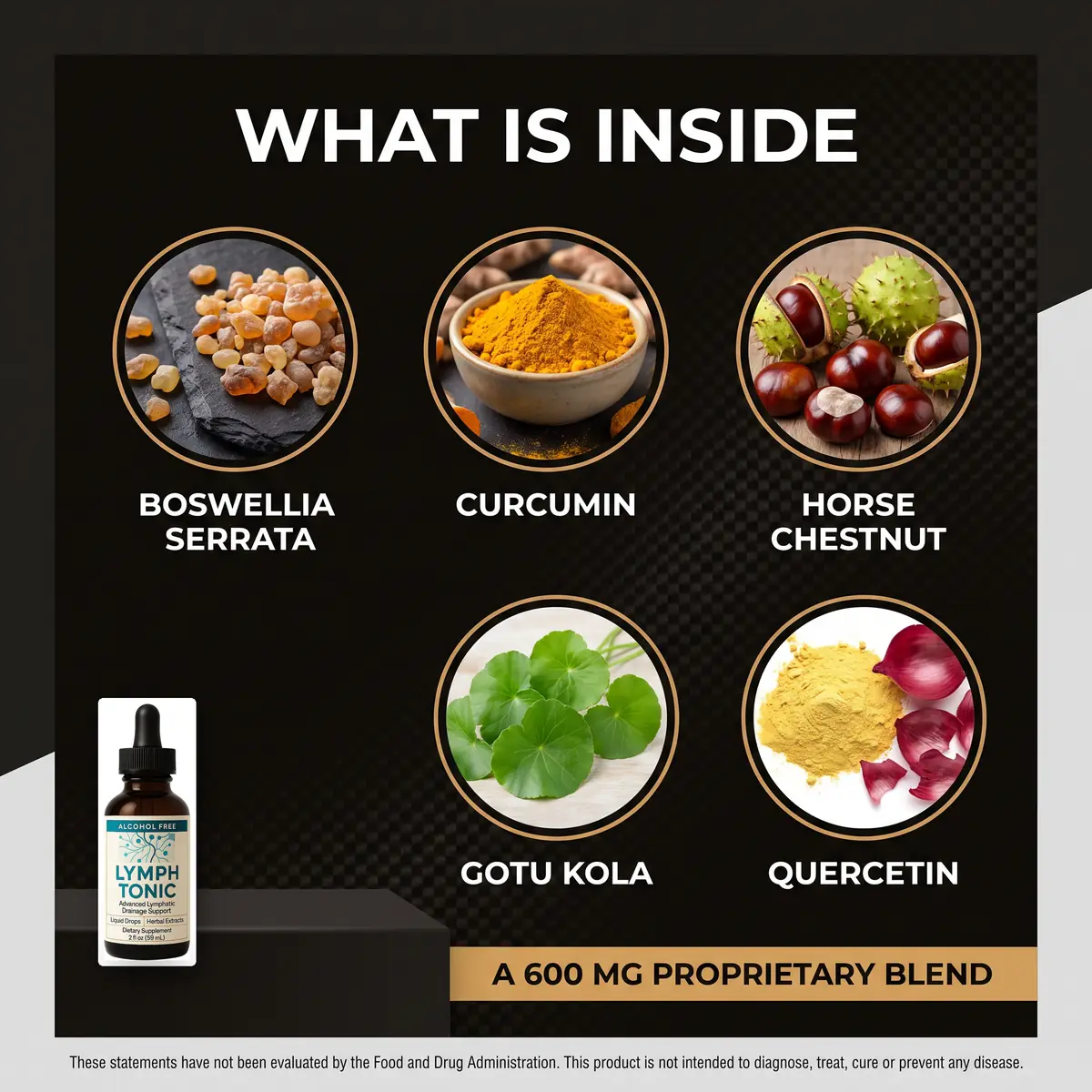
Managing premenstrual puffiness is really about consistency - the habits above work best when they are already part of your routine before the fluid-holding week arrives, rather than a scramble once you feel bloated. A daily supplement can be the anchor that keeps the routine steady all month. LymphTonic is an alcohol-free liquid you take as two droppers a day, built around thirteen botanicals long associated in traditional and general use with healthy circulation and fluid balance - including quercetin, hesperidin, gotu kola, horse chestnut and ginger. It does not alter your hormones or your cycle; it simply sits alongside the salt, hydration, movement and sleep habits that make the premenstrual week more comfortable. For the wider routine, our overview of how to support lymphatic drainage naturally ties it all together, and you can read about the formula on the LymphTonic homepage.
Keep your routine steady all month
LymphTonic brings together thirteen botanicals traditionally linked to circulation and fluid balance in one alcohol-free daily dropper - an easy anchor for the habits that make the premenstrual week more comfortable. Backed by a 60-day money-back guarantee.
See LymphTonic Packages
When to see a clinician
Mild to moderate premenstrual puffiness and bloating that come and go with your cycle are normal and extremely common. But it is worth talking to a healthcare professional if bloating or swelling is severe, lasts throughout the month rather than just before your period, is getting steadily worse, comes with significant pain, or seriously disrupts your daily life. Very intense premenstrual symptoms can sometimes need proper assessment and support. This article covers ordinary cyclical patterns and is educational information, not medical advice.
What premenstrual fluid research has found
Premenstrual puffiness has been measured rather than assumed, and the findings are less tidy than the usual "it's just progesterone" explanation. A study in Hypertension compared women with and without premenstrual syndrome and found genuine hormonal and volume dysregulation in the PMS group, not simply a normal cycle experienced more loudly (Hormonal and volume dysregulation in women with premenstrual syndrome, 2008). Earlier work published in the British Medical Journal examined progesterone alongside fluid and electrolyte handling across the cycle, establishing that the fluid changes are real and hormonally linked (Progesterone, fluid, and electrolytes in premenstrual syndrome, 1980).
On the intervention side, one of the few nutrient trials aimed squarely at this symptom found that magnesium supplementation alleviated premenstrual symptoms of fluid retention (Magnesium supplementation alleviates premenstrual symptoms of fluid retention, Journal of Women's Health, 1998) — a modest, specific finding worth more than a broad detox claim. Because the swing is hormonal, the useful strategy is to keep everything else steady across the month: the sodium and potassium balance covered in the best foods to reduce water retention, the cortisol and gut effects in can stress cause water retention and bloating, and the overnight recovery described in how sleep helps your body detox, which is often the first thing the luteal phase disrupts.
Frequently asked questions
Why do I feel puffy and bloated before my period?
In the week or so before a period, shifts in oestrogen and progesterone change how the body handles sodium and water, so you retain more fluid and feel puffy in the face, breasts, belly, hands and feet. Hormones also slow digestion, which adds gas and bloating. It is a normal, cyclical pattern that usually eases once the period begins.
How long does premenstrual bloating and water retention last?
For most people it starts a few days to a week before the period and eases within the first day or two of bleeding as hormone levels shift. If bloating is severe, lasts all month, or seriously disrupts your life, it is worth discussing with a clinician.
How can I reduce period bloating and puffiness naturally?
Keep salt moderate in the premenstrual week, eat potassium-rich and water-rich foods, stay well hydrated, move your body, limit alcohol and excess caffeine, and prioritise sleep. Gentle movement and steady hydration are especially helpful. Botanicals traditionally linked to circulation and fluid balance, like those in LymphTonic, can round out the routine.
Does drinking water help with period water retention?
Yes, usually. When you are under-hydrated the body holds on to fluid, so steady water intake can actually reduce premenstrual puffiness rather than add to it. Pair it with moderate salt and potassium-rich foods for the best effect.
Is it normal to gain weight before my period?
A small, temporary rise of a pound or two before your period is common and is almost entirely water, not fat. It typically drops away again within a day or two of your period starting as fluid balance resets.
- Office on Women's Health (U.S.) — Premenstrual syndrome (PMS).
- Cleveland Clinic — PMS: symptoms and self-care.
- Cleveland Clinic — Edema (fluid swelling): overview.
- Hypertension — Hormonal and volume dysregulation in women with premenstrual syndrome (2008, PMID 18259015).
- British Medical Journal — Progesterone, fluid, and electrolytes in premenstrual syndrome (1980, PMID 7190047).
- Journal of Women's Health — Magnesium supplementation alleviates premenstrual symptoms of fluid retention (1998, PMID 9861593).
† These statements have not been evaluated by the FDA. This product is not intended to diagnose, treat, cure or prevent any disease. This article is for general information only and is not medical advice.