Why Do I Retain Water in Hot Weather? Causes and Fixes
| Why it happens | Heat widens your blood vessels to release warmth. That slows return flow and lets fluid pool in your hands, feet and ankles — often called heat edema. |
| What adds to it | Dehydration, sweating, salty food, and long spells of standing or sitting in the heat. |
| Feel lighter | Hydrate, keep moving, elevate your feet, stay cool, ease off salt and eat water-rich foods. |
Every summer it is the same story: your rings feel tight, your shoes pinch by afternoon, and your ankles look puffy after a warm day out. If you have found yourself asking “why do I retain water in hot weather?”, you are noticing a genuine, well-understood effect of heat on your circulation. It even has a name — heat edema — and for most people it is mild, temporary and harmless. This guide explains exactly why hot weather makes you retain water and swell, what makes it worse, and the simple habits that help you feel less puffy when the temperature climbs.
Why hot weather makes you retain water
Your body is brilliant at keeping its core temperature stable, and one of its main cooling tools is your circulation. When you get hot, your blood vessels — especially the small ones near the surface of the skin — widen (a process called vasodilation) to bring warm blood to the surface, where heat can escape into the air. It is the same reason your skin looks flushed on a hot day.
This cooling trick has a side effect. When the vessels in your hands, feet and lower legs dilate, blood flows in more easily but returns more slowly, and the higher pressure in those widened vessels lets a little fluid seep out into the surrounding tissues. Because gravity pulls that fluid downward, it collects in the lowest, most dependent parts of the body — the feet, ankles and fingers. The result is the classic summer puffiness of swollen ankles and tight rings. It is essentially the price your body pays for keeping you cool.
This is the same underlying mechanism — fluid pooling where circulation is slowest — that drives many everyday forms of puffiness. If you want the fuller picture of how sluggish return flow shows up in the body, our guide to the signs of a sluggish lymphatic system is a good companion read.
What makes summer swelling worse
Heat sets the stage, but several everyday factors turn mild puffiness into genuinely tight shoes and fingers:
- Dehydration. You lose a lot of water through sweat in the heat, and a dehydrated body holds on to the fluid it has — the opposite of what you want. This is the single most common aggravator.
- Standing or sitting still. Long spells upright in the heat — a summer festival, a day of sightseeing, a garden party — combine heat-driven pooling with a quiet calf muscle pump.
- Salty summer food. Barbecue food, crisps, processed picnic fare and salted snacks all push your body to hold water. Our guide to the best foods to reduce water retention covers the swaps that help.
- Alcohol. Cold drinks in the sun are a summer staple, but alcohol disrupts fluid balance and adds to dehydration.
- Sudden heat. The first hot spell of the year, or arriving somewhere hot on holiday, often hits hardest because your body has not acclimatised yet. It usually settles over a week or two.
How to reduce water retention in hot weather
The good news is that heat edema responds well to simple habits. Lean on these when the temperature rises:
1. Stay hydrated. This is the most important step, and the most counterintuitive. Drinking enough water helps your body release rather than hoard fluid, and it replaces what you lose through sweat. Sip steadily through the day rather than gulping large amounts at once. Our guide to how much water to drink to reduce water retention explains why hydration reduces, rather than causes, puffiness.
2. Keep moving. Movement fires the calf muscle pump that returns fluid up the body. Even in the heat, gentle regular movement — a short walk, calf raises, ankle circles — stops fluid settling in your feet. Just balance activity with staying cool.
3. Elevate your feet. When you rest, prop your feet above heart level for ten to fifteen minutes so gravity drains the pooled fluid back toward the body. A lovely end-of-day habit in summer.
4. Cool down. Since the swelling is driven by heat-related vessel widening, cooling reverses it. Seek shade and air conditioning during the hottest hours, take a cool shower or foot bath, and run cool water over your wrists and ankles.
5. Ease off the salt. Keep summer meals lighter on sodium and lean into water-rich, potassium-rich foods — cucumber, melon, tomatoes, leafy greens, berries — which help balance fluid and hydrate you at the same time.
6. Dress smart and consider compression. Loose, breathable clothing keeps you cooler. If you are on your feet a lot in the heat, graduated compression socks can counter the pooling — see our guide to whether compression socks help with swelling and circulation.
Everyday support for fluid balance
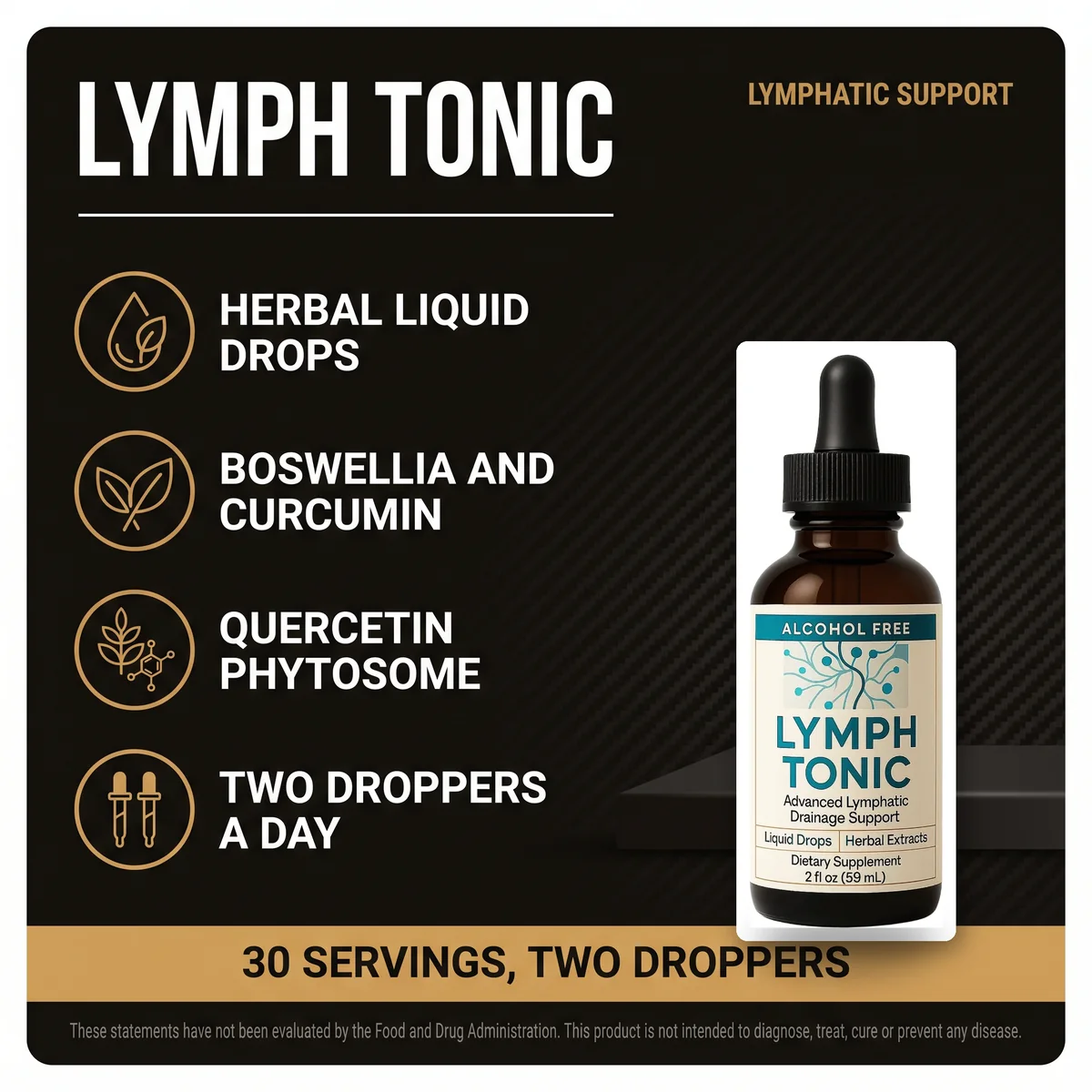
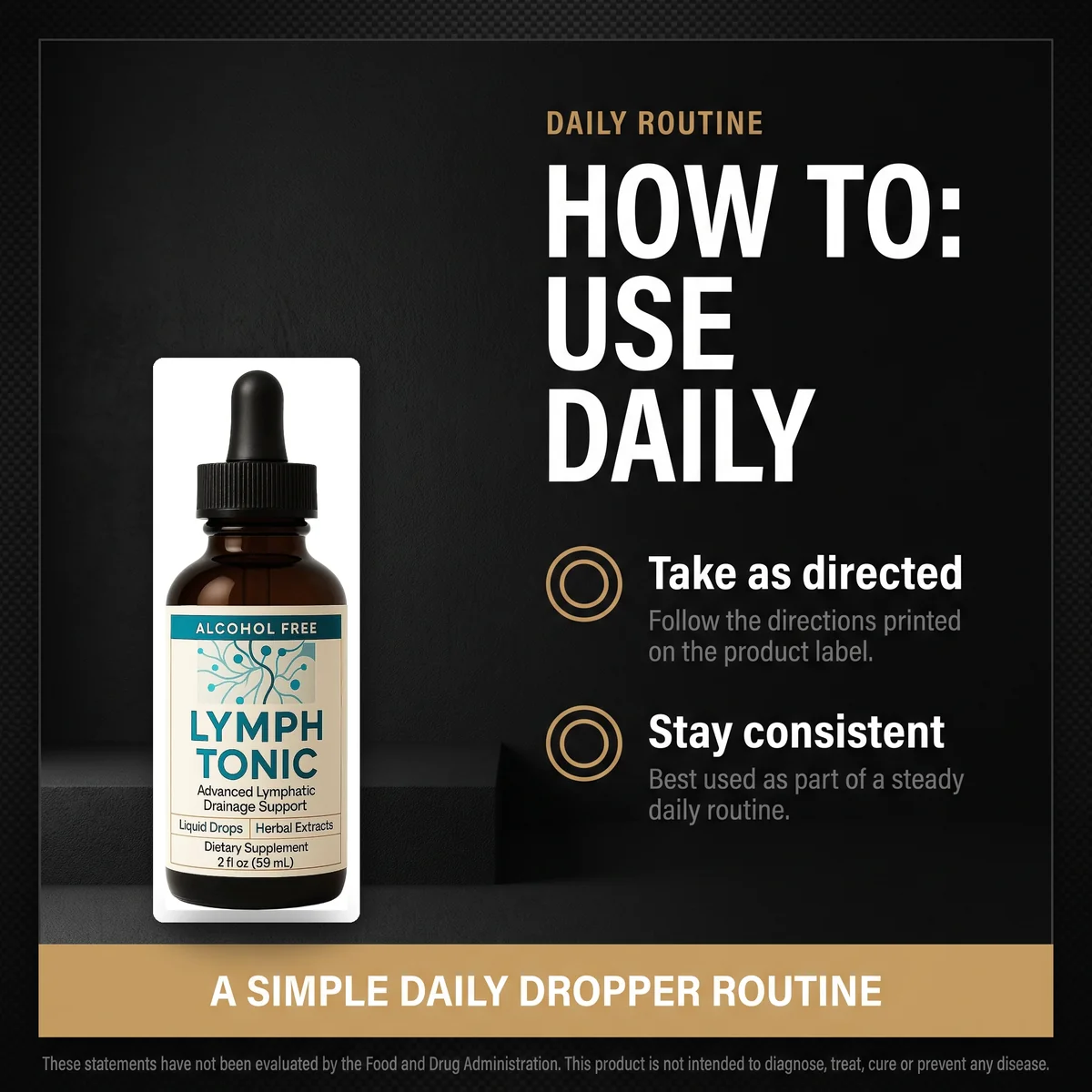
LymphTonic brings together thirteen botanicals traditionally linked to circulation, fluid balance and lymphatic flow — including horse chestnut, gotu kola and ginger — in one alcohol-free daily dropper. A simple companion to the hydration, movement and cooling habits that keep summer puffiness in check. Backed by a 60-day money-back guarantee.
See LymphTonic Packages
Does heat swelling go away on its own?
For most people, yes. Mild heat edema eases as the day cools, as you rest with your feet up, and as your body acclimatises to a hot spell over a week or two. It is a normal, temporary response, not a sign that anything is wrong. The everyday habits above simply speed it along and keep it from building up. Because it is fundamentally a drainage-and-circulation question, the same daily routine that helps year-round helps in summer too — our overview of how to support lymphatic drainage naturally ties it all together, and the LymphTonic homepage shows where a daily botanical liquid fits in.
When summer swelling needs a closer look
Ordinary heat swelling is mild, affects both sides, and settles with cooling, hydration, movement and elevation. Seek prompt medical attention if swelling affects only one limb, especially with pain, warmth or redness (which can signal a blood clot); if it is sudden, severe or does not improve as you cool down and rest; if it comes with shortness of breath, chest pain, dizziness or confusion (which in extreme heat can signal heat illness and is an emergency); or if you have a known heart, kidney, liver or thyroid condition, are pregnant, or take medication that affects fluid balance. Older adults and those with chronic conditions should be especially careful in the heat. This article covers ordinary, everyday summer puffiness and is not medical advice.
The thermoregulation research behind summer swelling
Heat swelling is thermoregulation doing its job, and the mechanism is well characterised. To shed heat, the body opens up the skin circulation and redirects a large volume of blood toward the surface; a classic review in Mayo Clinic Proceedings sets out exactly how skin blood flow is controlled in adult thermoregulation, and how much of it is diverted when you are hot (Skin blood flow in adult human thermoregulation: how it works, when it does not, and why, 2003). More blood sitting in dilated surface vessels in your hands and feet means more fluid pushed into the surrounding tissue, especially with gravity's help.
A comprehensive review of human temperature regulation under heat stress describes the wider cardiovascular reorganisation this involves, including the fluid and plasma volume shifts that come with it (Human temperature regulation under heat stress in health, disease, and injury, Physiological Reviews, 2022), while work on thermoregulation during exertion in the heat covers the sweat losses that make hydration non-negotiable in summer (Thermoregulation during exercise in the heat: strategies for maintaining health and performance, Sports Medicine, 2007). Practically, that raises your fluid requirement rather than lowering it, which is the point of working out how much water to drink. Long hot journeys stack the same effect with immobility, as described in why feet and ankles swell when flying, and the counter-measure in both cases is the calf work in the best exercises to reduce water retention.
Frequently asked questions
Why do I retain water in hot weather?
In the heat, your blood vessels widen to release warmth through the skin. This slows return flow and lets fluid leak into the tissues of your hands, feet and ankles, causing what is often called heat edema. Sweating and dehydration can add to it, because a dehydrated body holds on to fluid. For most people it is mild and settles as things cool down.
Is it normal for feet and hands to swell in summer?
Yes, mild swelling of the feet, ankles and fingers in hot weather is common and usually harmless, especially after standing or sitting for a while in the heat. It is caused by blood vessels widening and fluid pooling. Swelling in only one limb, or with pain, warmth or redness, is different and needs prompt medical attention.
How do I reduce water retention in hot weather?
Stay well hydrated with water, keep moving so your muscles pump fluid back up, elevate your feet when you can, keep cool and out of prolonged direct heat, go easy on salt, and eat water-rich and potassium-rich foods. Compression socks can help if you are on your feet a lot in the heat.
Does drinking more water help with heat swelling?
Yes. It seems counterintuitive, but staying hydrated helps your body release fluid rather than hoard it. In the heat you also lose water through sweat, so keeping up your intake supports healthy circulation and fluid balance. Pair hydration with movement, cooling and elevation for the best effect.
Why is the swelling worse at the start of a heatwave?
Your body has not yet acclimatised to the heat, so the vessel-widening cooling response is at its strongest and least efficient. Over one to two weeks of sustained warm weather, most people adapt and the puffiness eases. Staying hydrated and cool helps you through the adjustment period.
- Cleveland Clinic — Edema (swelling): overview.
- Centers for Disease Control and Prevention — Staying safe and cool in extreme heat.
- Cleveland Clinic — Lymphatic system: function and drainage.
- Mayo Clinic Proceedings — Skin blood flow in adult human thermoregulation: how it works, when it does not, and why (2003, PMID 12744548).
- Physiological Reviews — Human temperature regulation under heat stress in health, disease, and injury (2022, PMID 35679471).
- Sports Medicine — Thermoregulation during exercise in the heat: strategies for maintaining health and performance (2007, PMID 17645370).
† These statements have not been evaluated by the FDA. This product is not intended to diagnose, treat, cure or prevent any disease. This article is for general information only and is not medical advice.